Reflecting on 2XKO
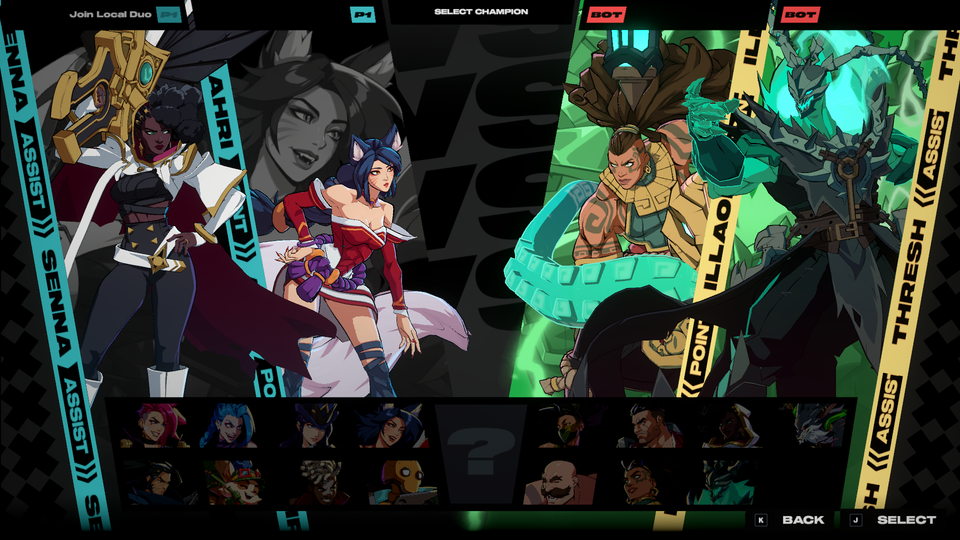
It feels like fighting games have always existed in a weird vacuum. For years there's been a recurring debate on whether or not they're too difficult, if auto combos are making them too easy, if they're even a source of profit for developers and publishers. This discourse comes at a time where the free to play and live service models have persisted as primary modes of play for a lot of people, and where mainstream fighting games from legacy developers can cost anywhere from $40-$60, not to mention games in general moving up to a $70 default price. Thus, when hearing that Riot Games was going to cease active development of 2XKO, I couldn't help but be disappointed.
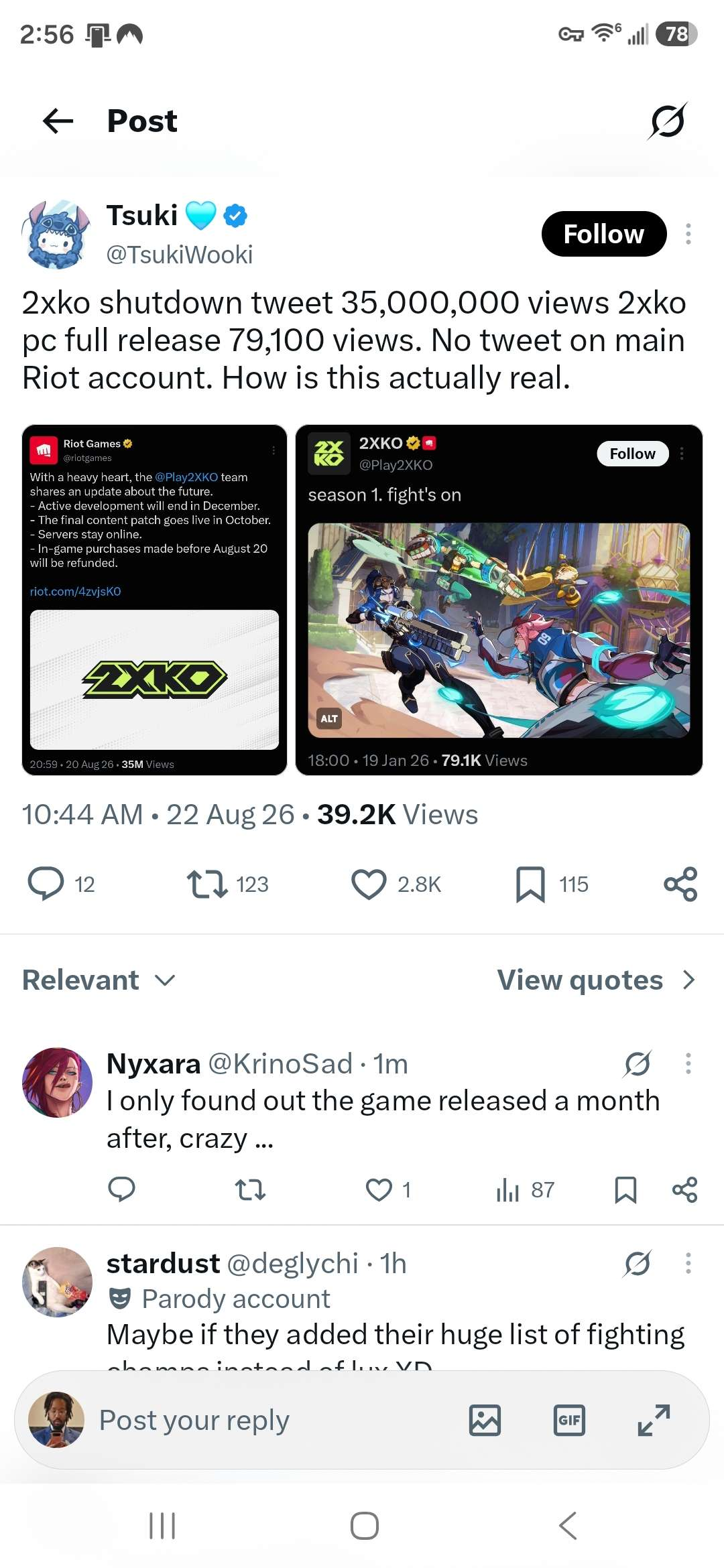
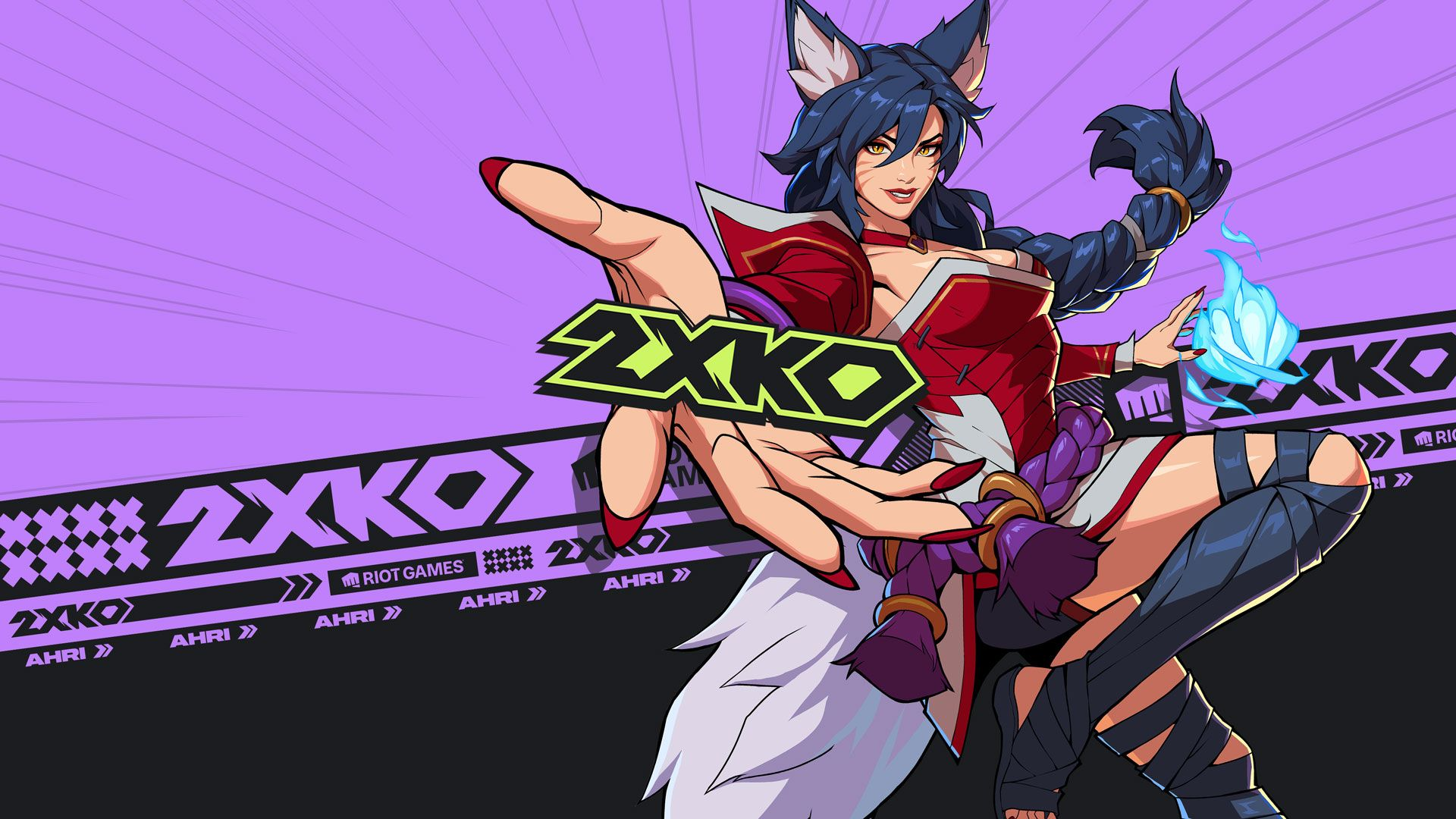
For the uninitiated, 2XKO is 2v2 tag fighter developed by Riot Games in which every character is from Riot's IPs, such as League of Legends. The game began development way back in 2016 after Riot bought Radiant Entertainment, an indie studio working on their own fighting game, Rising Thunder. After years of development, closed beta tests, content creator showcases, and strangely poor marketing, 2XKO officially released in January this year. Riot announced the game would be ending active development in December on August 20, only a few months after its full release.
Today, I'd like to ruminate on how 2XKO failed Riot's expectations, how it handled being a free to play fighting game, and how I see this whole situation as a casually competitive fighting game player.
Live Service Woes
When you make a game free to play and live service, there are a few key expectations that pop up in a player's head. (1) The game will provide players with a steady stream of ongoing content, rewarding them mostly for consistent play, but still allowing them to easily return after a break and experience new and (some) old content. (2) The game will allow players to do cool shit with an exceptionally low barrier of entry. (3) The only things that will be monetized are cosmetics that have no bearing on the actual gameplay whatsoever, barring any present gacha elements that unlock features like items or characters. I'm sure there are more philosophies for this kind of game design, but these are the core three that I feel are the most prevalent.
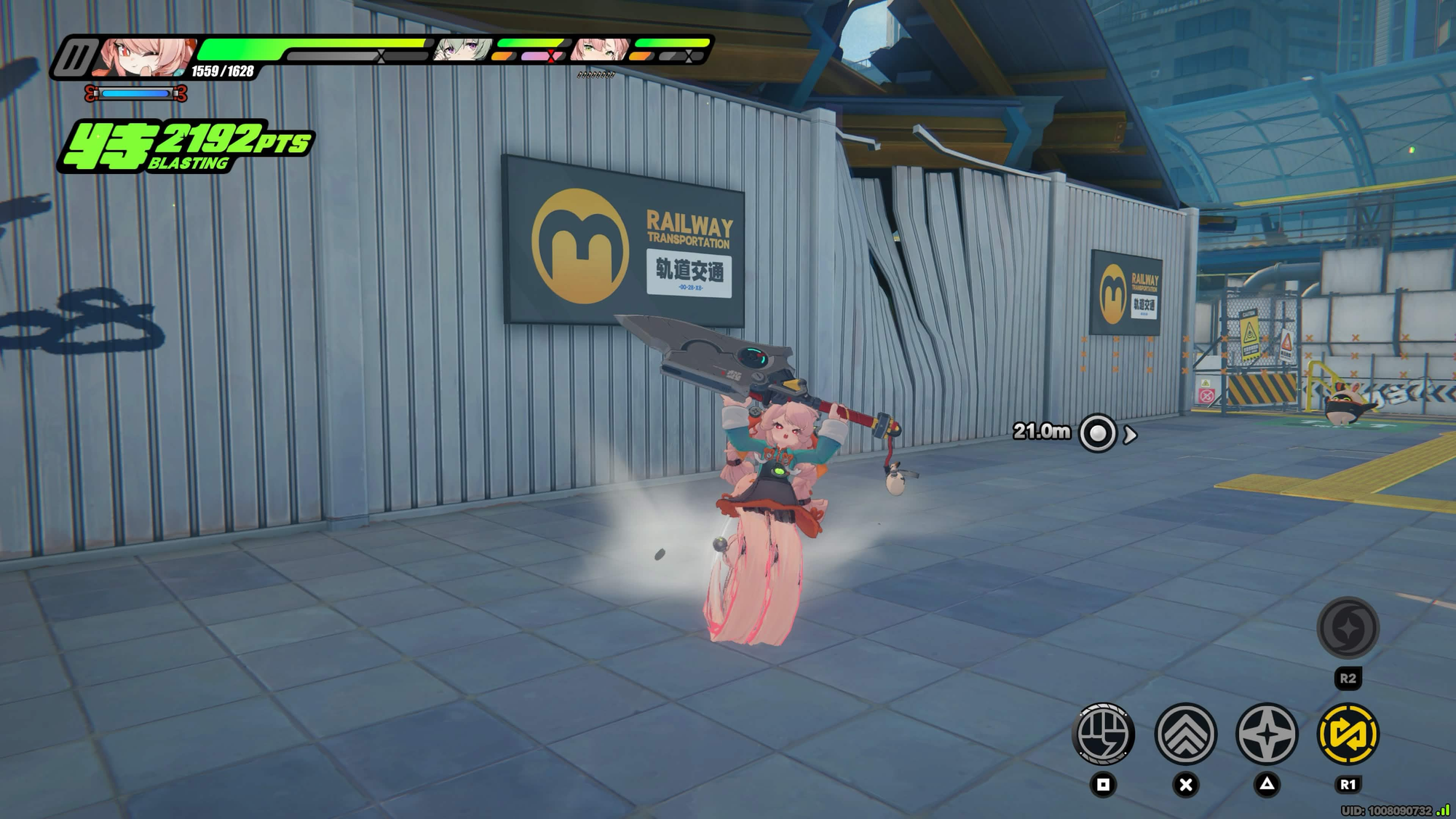
The main source of my distaste for these kinds of games comes from #2 —while most games don't typically employ complex input systems to get the most out of a character's moveset, free to play games intentionally design their systems to be simple and approachable. I think back to Zenless Zone Zero, how there were only really two or three buttons I needed to mash to do cool attacks that brightened my screen and led to dynamic finishers. What I dislike about these systems is that they lead to what I think are shallow experiences, flashing yourself with excessive combat stimuli over and over again until the hype is gone. Character design for these games is built around systems that, no matter how intricate they can get, depend on being hot swappable. Character A and Character B have different roles on paper, but they use the same universal inputs and systems to allow players to try different things, and ultimately feel the same to play.
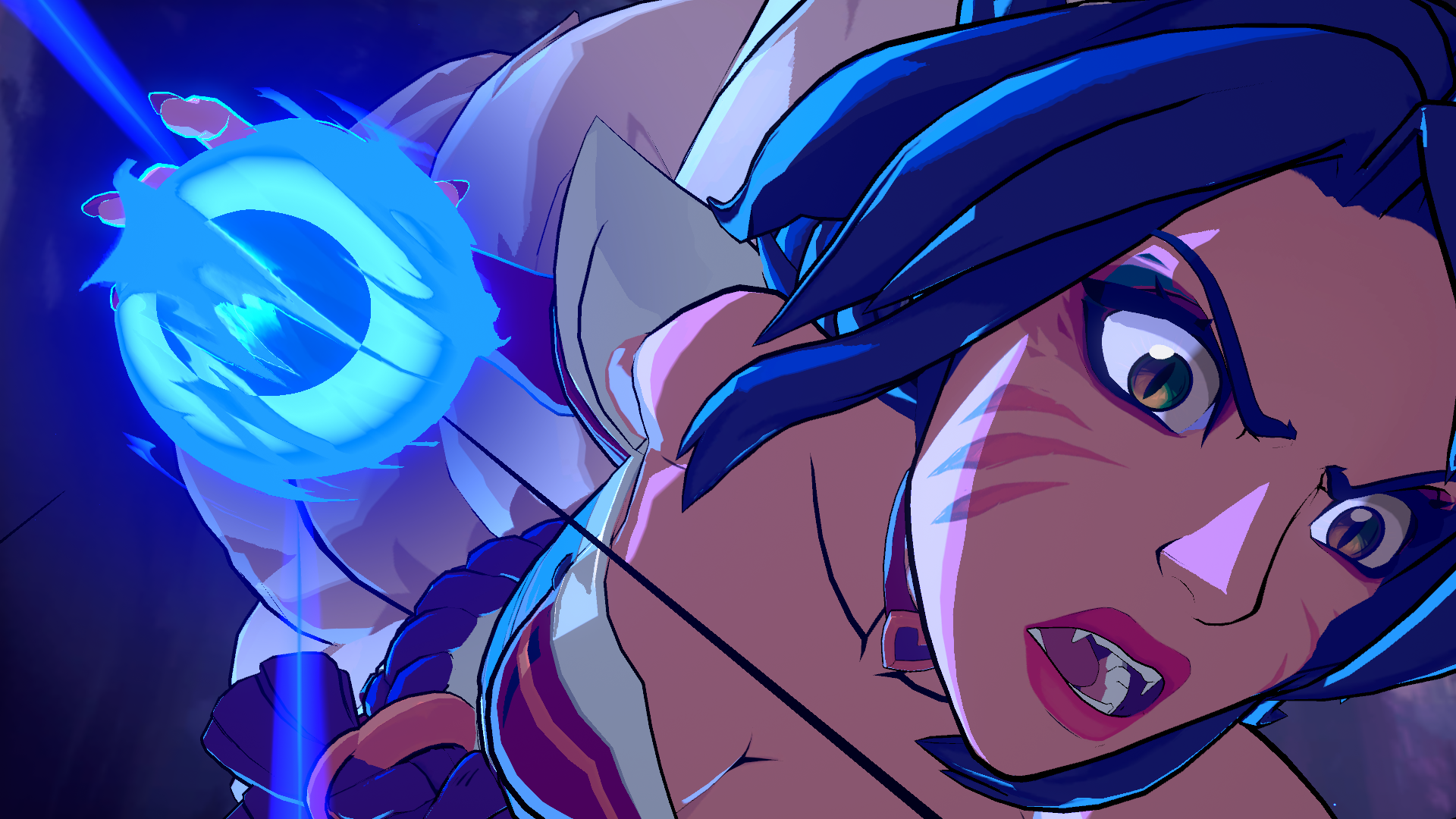
When we look at 2XKO, it works around this design quite well. Fighting game characters already rarely feel the same, even ones that share a fighting style. 2XKO bridges the gaps here by relying on simple inputs for special attacks in place of the classic motion inputs. Specials have their own dedicated buttons for variations, and players are able to pick different modifiers that change the way their team functions. On paper, the genetics of a free to play game and a fighting game seem like they'd mesh well together. The replayability is baked into the foundation of both genres, with fighting games offering a wider pool of variety without limiting what players could be capable of.
The prospect of a free to play fighting game seems to be something the industry can't really figure out. I think back to MultiVersus, a platform fighting game that went from being released in an open beta that felt very much like a finished game, to having a tournament at EVO, disappearing, coming back with a full release that felt worse to play, until eventually shutting down entirely and being delisted, a relic that you only have access to if you kept it in your storage. 2XKO followed a similarly strange pattern, with marketing that didn't try its hardest to reach everyone it could, scattered beta tests that occurred over far too long of a time frame, a full release rollout that came in the form of more and more people being accepted into the beta tests before the announcement that the game was just...out. After this, Riot made a lot of good moves to promote the game. There was a program for community events, and a competitive circuit for 2026 spanning pretty much the entire year. It seemed like they put their whole foot into this, but since their earnings numbers didn't match up with what they might've wanted, they decided to call it quits early instead of keeping up support for at least a little while longer.
What Does '2XKO' Even Mean?
I don't think it's crazy to say that over the past decade or so, fighting games have become less risky in their design. I wouldn't consider myself a veteran — my earliest FGC memories are going to Smash 4 locals in cafes with no A.C. — but fighting game design from big publishers seems to be more focused on maintaining brand identity and cohesion than putting out something with a lot of sauce. Maybe a few changes here and there with game-specific mechanics, like Street Fighter V's V-Skills/Triggers to VI's Drive Rush/Impact, but nothing that would dismount veteran players when beginning their journey in a new game. Guilty Gear Strive actually moved in the opposite direction, creating a game that slowed down its gameplay immensely compared to its predecessors in order to create more welcoming on-boarding and gameplay experiences for new players. 2XKO, despite its design to welcome newcomers, took risks with its 2v2 tag fighter gameplay. Even if the inputs are simple, the combat is fast and flashy. Tag fighters aren't the most popular kind of fighting game out there, but the team wanted to make a project they believed in, and I can't fault developers for wanting to make something they love with publisher money.
Fighting games are a niche genre, and no matter how low the skill floor gets, there's always an inherent level of difficulty. 2XKO tried to address some of those traits, and I would say it did so well. The game was free, so there was no hefty price tag tacked onto a game players may not even halfway commit to after getting their asses handed to them online. The characters were recognizable if you knew anything about League of Legends — I've never played League, but I know who Ekko and Jinx are. Simple inputs got rid of quarter circles and Z-motions. Despite this, the game didn't have the kind of pull Riot might've been hoping for in 2016 when development started. A healthy group of players that keep coming back to a fighting game is different than a healthy group of players in almost any other genre. Fighting games are known for creating tight-knit communities that come together regularly, even after a game has died, and these communities know how to survive even when player counts are on the decline.
Also, I just have to say it, "2XKO" is an awful name. "Project L" was a cooler name, even if it was just the codename Riot uses for all their in-development projects. Reading this blogpost makes me feel like they were jumping through hoops to tell people that 2XKO was a good name because it meant something. I still don't understand how they landed on that after coming up with 399 other options.
Games Don't Die
The silver lining is that even if Riot is only spending another three months of active development on this game, games never really die unless someone outright kills them. Anthem is sadly a good example of this – the game launched in 2019, BioWare gave up on it in 2021, and the servers stayed live until earlier this year. I booted the game up prior to its shutdown, and even though developer support had long been over, there were still plenty of players helping me out and offering assistance as I flew around the map. I promise you, if the game wasn't online only, it would still have an active player base discussing new builds and what they'd want out of an Anthem 2.
If we look at fighting games, there are plenty that have persisted well before the online era and are still alive and kicking. Street Fighter III: Third Strike, Darkstalkers, Super Smash Bros. Melee, I've even seen people pop out for Pokkén Tournament once in a blue moon. The thing about fighting games is that they offer players a seemingly infinite pool of knowledge and development. Mastery comes in the form of how much you've learned about the game and its systems, and there's hardly ever one true answer to every obstacle. Somewhere along the way, some guy who spends his free time playing his niche, forgotten fighting game will learn some new tech with his character, and then from there will show it to everyone and expand the conversation. Even if they don't shake up tier lists the way aMSa or Wobbles did with Yoshi and Ice Climbers respectively in Melee, they'll at least begin a shift in the general perception of their character, and in turn exist as a sign that the game still has a pulse. These things don't stagnate, and I think that's the beauty of them.
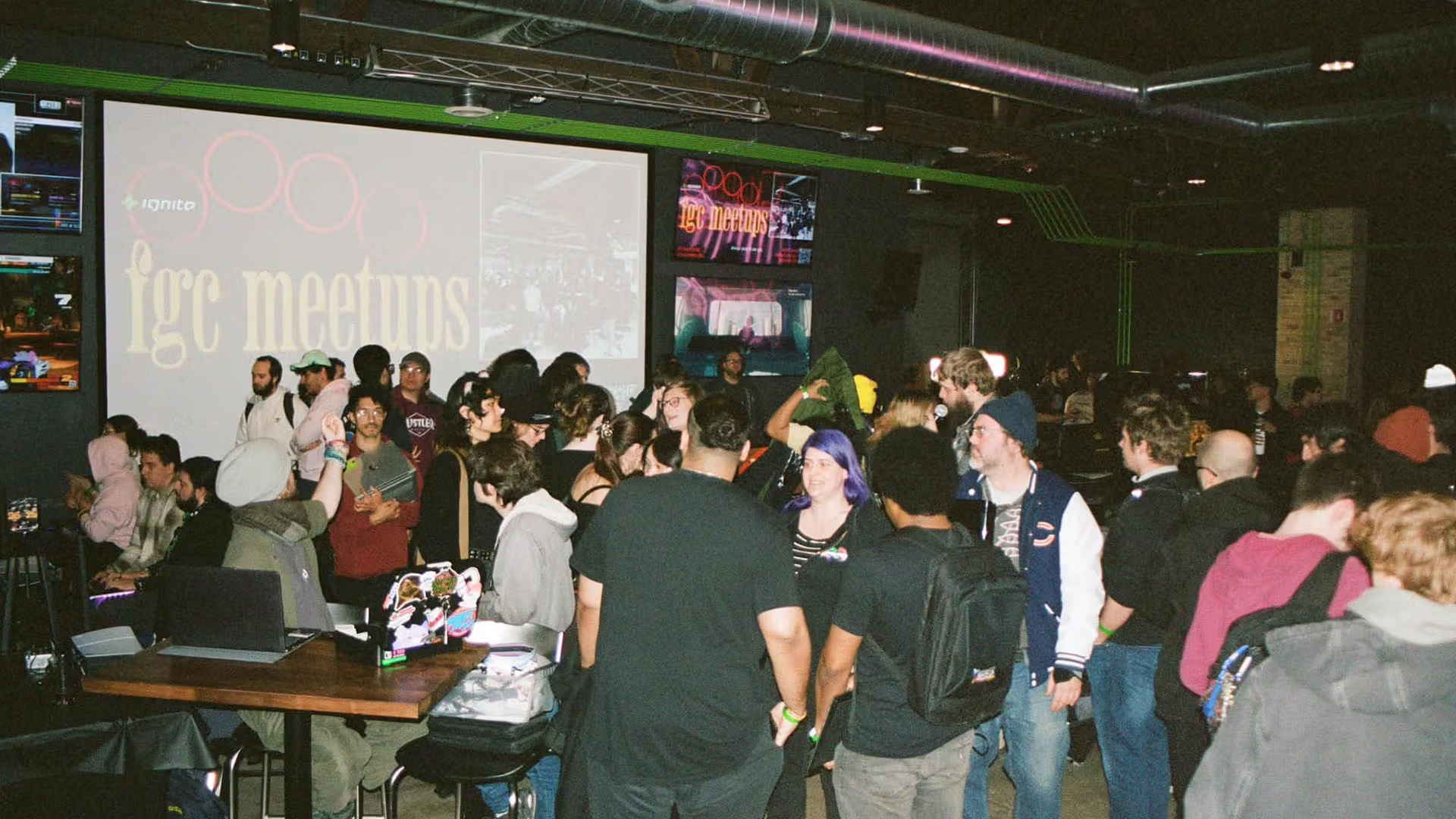
Publishers and players are bound by the different lifelines. Even if a publisher delists a game players will find a way to keep the game alive. Until absolutely nobody is playing the game anymore, it is irrefutably still alive, even if the active player count is only in the double digits. I've been in a few conversations about how 2XKO is dead, or how it will be in December when development ends, but Riot still intends to keep servers up after development ends, and the game will still have a dedicated community still running it at whatever event will have them. To those whose favorite fighting game is being shut down, I'm sorry that the developers' finish line ended up being so close, but I'm glad there never is one for the players. I hope that you keep bringing the game to locals, encouraging people to try it out, and showing off the new tech you figured out that wasn't known until a few weeks ago. Hell, maybe I'll finally give the game another shot when I go to my next local.
You can read up on the last updates for 2XKO here.

Comments ()